




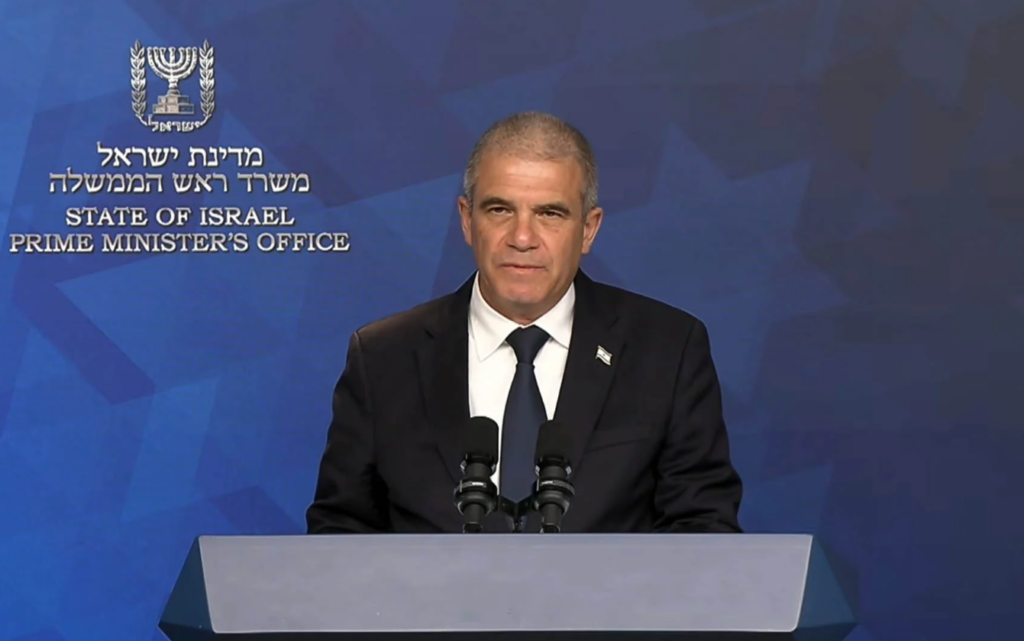
“Can you handle this?” Benjamin Netanyahu asked Gal Hirsch.
The date was the morning of October 8, 2023. Hirsch had just recovered from cancer.
“This” was the most difficult mission ever assigned in public service: bringing home an unprecedented number of hostages and missing persons—numbers that were not yet known at the time. In fact, Hirsch did not state the number publicly until the end of November, so as not to give Hamas the opportunity to claim that hostages were merely “missing.”
“By the evening of October 8, I realized we were missing 3,200 people. In the second week, 1,060. Later, 400,” Hirsch says.
Yahya Sinwar, it now turns out, planned to keep the hostages as an asset that would yield returns for ten years—yes, ten years of negotiations.
“We classified the hostages as Ron Arads—those feared unlikely to be found; Waxmans—hostages in known locations but with low chances of rescue; Regevs and Goldwassers—fallen soldiers; or Shalits—those who would be returned in a deal.”
The ethos of rescue operations collided, as it so often has in the past, with reality. There was an inconceivable gap between the depth of intelligence and the slim chances of extraction.
“There were cases where one of our units was right outside the door. But we knew we wouldn’t get the crucial seconds needed for rescue, so we gave up.”
The war blurred the categories.
“There has never been, in the modern era, an event where a maneuvering army with six divisions was operating while hundreds of hostages were held across dozens of locations on the battlefield. When the maneuver began on October 26, we worked out of an improvised office they set up for us in one of the WeWork spaces, and families came running to us, crying, ‘What are you doing to them?’ We always insisted on maintaining the order: intelligence and maneuver—without giving up on either.”
Contact with the Qataris was established shortly beforehand. Hirsch called the mobile phone of a senior Qatari official who offered his country’s mediation services.
“How do I know you can deliver the goods?” Hirsch asked.
“Tell me what you need,” the Qatari replied.
“Get me hostages,” Hirsch said.
The Qatari went south into Gaza to supervise the pilot release. He waited in the office of the brigade commander—the late captive Asaf Hamami, a former subordinate of Hirsch.
The next day, Judith and Natalie Raanan were released. After that, hostages Yocheved Lifshitz and Nurit Cooper arrived via Egypt. Qatar assumed the role of mediator.
“What killed me,” Hirsch says, “was the enormous gap between what I saw in the intelligence and in the negotiating rooms. Inside, they demanded total surrender; outside, they broadcast that Israel was the obstructionist. The peak was during Ramadan: Sinwar planned an ‘Al-Aqsa Flood 2,’ but we were accused of sabotaging a deal by refusing a cease-fire during the fast.”
On Thursday morning, the headquarters was officially shut down. Hirsch will remain with details he will carry, like his colleagues, for the rest of his life. By virtue of their roles, they saw every video, watched every horror, heard every testimony:
“People have died in my hands before. I’ve killed and nearly been killed, but I’ve never seen anything so genocidal, so biblical.”
This is an excerpt from my weekly column in Israel Hayom.