





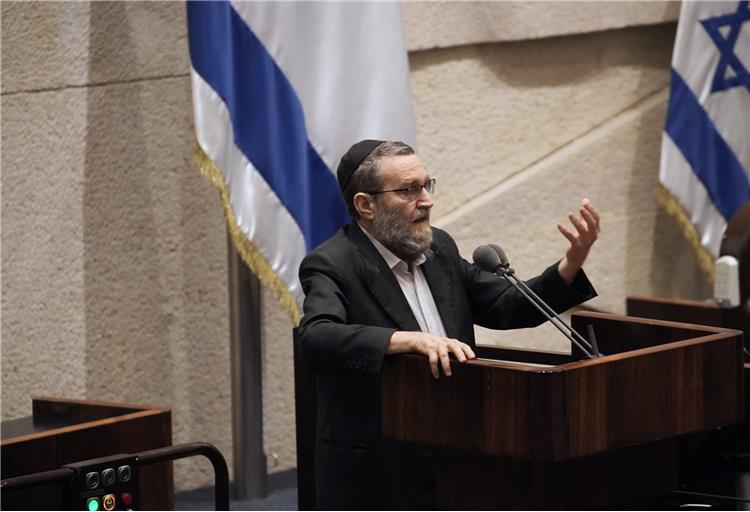
The Haredim looked toward elections—and then lowered their gaze. One had to reread again and again the briefing by a “senior Haredi figure” (said to be leader of the United Torah Judaism Party MK Moshe Gafni):
“At present, the Haredi factions are seriously considering accepting most of the demands of the legal advisers, so that sanctions would take effect immediately, apply until age 29, and the enlistment targets would be higher.”
The second option is to pass an exemption law without the support of the legal advisers, even though the High Court would immediately issue an injunction against it.
“The chances that Rabbi Landow will instruct us to go to elections are very low,” ruled the senior source from Bnei Brak.
Wait—this is confusing. Either total surrender on the most decisive issue for the Haredim, or all-out war to the end. But elections? No.
In short, after three years of smoke screens, threats, crises, ultimatums, deadlines, and near-signings of divorce writs, it turns out—astonishingly—that it was all nothing. Who would have believed it, aside from everyone?
There are two reasons for this. First, Shas and Degel HaTorah understand very well that the party responsible for the current situation is the High Court, not the coalition. So what would revenge against the coalition achieve? Second, leaving the government would be an irrational move that would almost certainly lead to the opposition for the foreseeable future. No better government would arise—only a worse one.
To the credit of the Gur Hasidic faction, they understood this already a year ago. They chose to leave Netanyahu’s bloc; Shas leader Aryeh Deri and Gafni chose to stay, and the rest has been background noise. Now the talk is of symbolic punishment—moving the election from October to September. Even the sanctions the Haredim propose for draft dodgers are less ridiculous.
The main goal of passing a draft law is no longer to regulate the status of yeshiva students, but to return the Haredi parties to the coalition ahead of elections whose prospects of victory do not look especially promising. If there are several months of a transitional government—and even more so if Israel returns to repeated election cycles—Shas and United Torah Judaism ministers want to be there when it happens.