


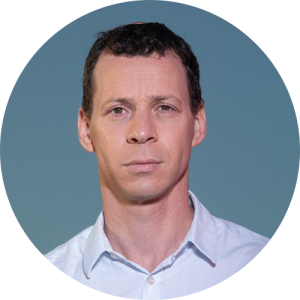



A deeply human image from a cemetery was at the center of last week’s political drama. Yair Lapid arrived at the Memorial Day ceremony at the Herzliya Military Cemetery, where he embraced Gadi Eisenkot, whose son, Gal, is buried there. Originally, another member of Knesset from Yesh Atid was scheduled to deliver the speech, but a swap was made in the days leading up to the event.
This week of national holidays was also the week the Lapid-Bennett deal was finalized, shaping the landscape of the 2026 election. The “Together” (Yachad) list claimed the details had already been locked in the previous Saturday night in the opposition leader’s basement. However, sources within the bloc argued that the cemetery photo gave Naftali Bennett’s camp the sense that they needed to close the deal quickly. They wanted to win the bidding war against Eisenkot—a steep price, but for a highly valuable prize: leading the bloc that currently holds the advantage in most polls.
A day before the announcement, a poll conducted for the Public Broadcasting Corporation yielded alarming conclusions for both Bennett and Lapid: Bennett received 20 seats, Eisenkot gained another seat to reach 15, and Lapid dropped to just 5. The union was swiftly finalized, the poll was shelved and the danger to both parties passed.
The claim that an exorbitant price was paid for Lapid ignores a basic rule of “mergers and acquisitions”: you aren’t just buying the asset’s value, but also mitigating the risk of them merging with someone else. The agreement’s mechanism guarantees Lapid a double-digit number of MKs, regardless of any potential future unification with Eisenkot. The logic was that without securing placements for Yesh Atid members, Lapid’s motivation to bring Eisenkot into the fold would diminish. Throw in two or three Yesh Atid MKs as the first in the line to replace any resigners, and the majority of the faction is satisfied.
After years of covering military maneuvers and bombings, it was refreshing to return to pure politics this week: passions, hatreds and surprises. Still, the election won’t be decided in Lapid’s basement, but rather in the bunkers of Fordow and the tunnels of southern Lebanon. In Israeli embassies across the West, it is currently common to speak of “Israel fatigue”—an exhaustion with Israel and its endless presence in the news.
Within Israel, there is “war fatigue.” The sour mood among the public, particularly Netanyahu voters, stems from the feeling at the start of Operation “Lion’s Roar” that it would be the final round. Instead, they discovered the matter was far from over, compounded by the supposedly closed Lebanese front reopening. “Do they want us to eliminate a 1,400-year-old fundamentalist current in one blow?” the prime minister wondered recently. Well, not in one blow, but a solid six months would help.
A similar sentiment characterized the 2021 elections, which coincided with the final COVID-19 lockdown and the vaccination campaign. The public was exhausted from a year of restrictions and found it hard to believe it would ever end. The victim of that fatigue was Netanyahu; voter turnout in his strongholds dropped, and the rest is history. If the feeling of endless fighting persists into October, Bennett will inch closer to the premiership regardless of his campaign’s quality. If a significant military achievement is reached, no political union will matter.
This is an excerpt from my weekly column in Israel Hayom.